

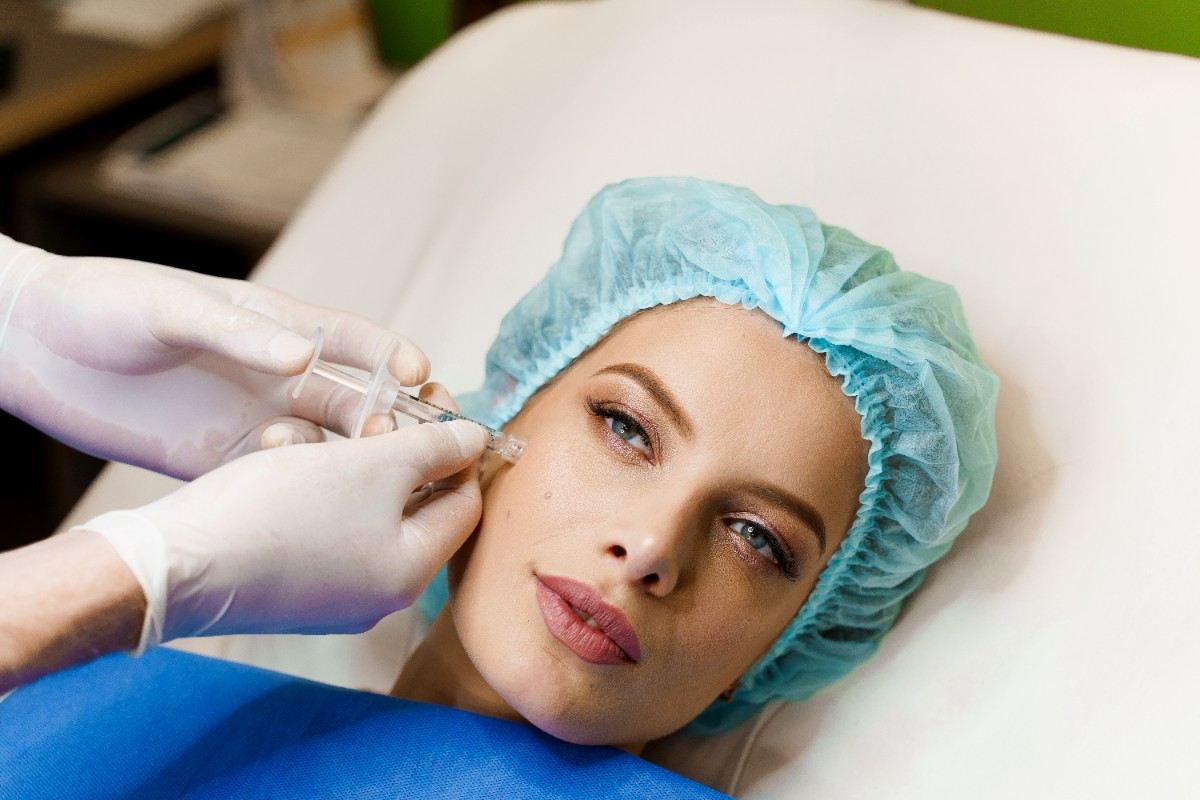
Summary: Microneedling with numbing cream is usually manageable; most people feel pressure, vibration, and mild prickling rather than sharp pain. Thinner-skinned areas like the forehead and nose feel more intense than fuller areas like the cheeks. After treatment, your skin may feel warm and tight for a day or two. Pain tolerance varies by person, but deeper settings generally feel more intense. Excessive pain isn’t necessary for results.
Microneedling can feel uncomfortable, but most people find it manageable when a topical numbing cream is used. During treatment, the sensation is often described as light pressure, vibration, prickling, or mild scratching rather than sharp, continuous pain.
How painful microneedling feels depends on the treatment area, needle depth, device, numbing protocol, individual sensitivity, and whether standard or RF microneedling is being performed. A professional provider should explain what to expect, check in throughout the treatment, and adjust the approach when needed.
Microneedling may cause mild to moderate discomfort, but it is usually well tolerated with professional topical numbing. The treatment uses fine needles to create controlled microchannels in the skin, so some sensation is expected.
Most people do not describe microneedling as severely painful. Instead, they commonly notice:
The feeling is temporary. It occurs while the device is passed over the skin and generally stops when the procedure ends.
Microneedling is usually much more comfortable with numbing cream, but numbing does not remove every sensation. A topical anesthetic can reduce the sharpness of the needle sensation at the surface of the skin.
With numbing cream, most patients still feel pressure, vibration, and mild prickling. Areas with thinner skin or less soft tissue may feel more noticeable than fuller areas of the face.
Without numbing, microneedling can feel more intense, particularly when deeper settings are used. Professional treatment typically includes a numbing step when treatment depth and area call for it.
Topical numbing should always be selected and applied by, or according to the instructions of, a qualified provider. High-strength or improperly used numbing products can be unsafe, especially when applied heavily over large areas, used on irritated skin, covered with occlusive material, or combined with heat.
Microneedling discomfort is usually brief and variable rather than constant. Pain tolerance differs from person to person, so no single pain score applies to everyone.
A useful way to think about the experience is by treatment intensity:
It is normal to feel different levels of sensation in different areas during the same appointment.
The pain level of microneedling is influenced by anatomy. Areas with thinner skin, less soft tissue, or more nerve endings often feel more intense.
The forehead can be one of the more sensitive areas because the skin sits close to bone. With numbing, it may feel like quick prickling, scratching, or pressure.
The hairline and temples may feel more noticeable because these areas have less soft tissue and can be sensitive to vibration.
The cheeks are often among the more comfortable facial areas to treat. People may feel light pressure or a buzzing sensation, especially with topical numbing.
The nose and upper lip can feel more intense because the skin is thin and these areas contain many nerve endings. A provider may use a more conservative approach when needed.
The jawline and chin may feel like mild pressure or quick pinching. Sensation can increase over bony areas.
The neck and chest can be more sensitive than the cheeks. Treatment settings should be selected carefully because the skin in these areas can be thinner and more reactive.
Yes, deeper microneedling settings may feel more intense because the needles reach further into the skin. Deeper treatment is not automatically better, and it should only be used when appropriate for the concern being treated.
For example, treatment for acne scars may require a different depth than treatment for general texture or fine lines. The provider should choose the setting based on the skin concern, treatment area, skin thickness, and your comfort level.
A skilled provider balances effectiveness with safety and comfort. More aggressive treatment does not always lead to better results.
RF microneedling may feel more intense than traditional microneedling because it combines needles with radiofrequency heat. In addition to pressure and prickling, patients may feel warmth or brief deeper sensations as energy is delivered beneath the surface.
Topical numbing is commonly used for RF microneedling. Even with numbing, some areas may feel warmer or more sensitive than others.
RF microneedling requires specialized treatment planning because energy level, needle depth, and number of passes all affect comfort and recovery. It is not automatically the right choice for every skin concern.
A professional microneedling appointment typically includes a preparation period, treatment, and short recovery phase.
The skin is cleansed, and topical numbing cream may be applied. The provider will review your medical history, active skincare products, allergies, previous procedures, and any history of cold sores or abnormal scarring.
The device moves across the skin in controlled passes. You may feel:
The provider should check your comfort throughout the appointment.
The skin may feel warm or tight, similar to a mild sunburn. Redness, mild swelling, tingling, and sensitivity are common temporary effects.
Microneedling may leave the skin feeling warm, tight, tender, or mildly sunburned for a short time after treatment. The post-treatment sensation is usually more like sensitivity than ongoing pain.
Common early effects include:
For many people, these effects are most noticeable during the first 24 to 72 hours. Recovery depends on treatment depth, device, skin sensitivity, treatment area, and aftercare.
Pain that becomes severe, increases over time, or occurs with spreading redness, pus, blisters, fever, or significant swelling should be assessed promptly by a qualified medical professional.
A professional provider can take several steps to improve comfort during treatment.
Topical numbing can reduce surface-level discomfort. Let your provider know about allergies, medication use, prior reactions to numbing products, or sensitivity concerns before treatment.
Do not apply an unapproved numbing cream at home before your appointment unless the treating provider has given you exact instructions.
Needle depth should match the skin concern and treatment area. Deeper settings are not always necessary, and more intensity does not always produce better results.
Tell the provider when an area feels unusually uncomfortable. They may be able to adjust speed, pressure, depth, passes, or technique.
Retinoids, exfoliating acids, scrubs, and certain active products can make the skin more sensitive. Follow the pre-treatment instructions provided by your clinic.
Avoid booking your first treatment immediately before an important event. Redness, sensitivity, and swelling are possible, even when treatment is well tolerated.
Microneedling usually feels more intense without numbing cream, particularly in sensitive or bony areas. Some shallow treatments may not require numbing, but traditional professional microneedling often reaches deeper skin layers than superficial cosmetic procedures.
Without numbing, the sensation may feel like repeated scratching, prickling, or quick pinching. People with lower pain tolerance, sensitive skin, or treatment plans involving deeper settings may find the procedure less comfortable without an anesthetic.
A provider should determine whether numbing is appropriate based on the treatment depth, area, procedure type, medical history, and product safety.
Pain itself is usually not the main reason people plan downtime. The more common reason is temporary redness, swelling, and sensitivity.
Many people return to normal daily activities quickly, but the skin may remain visibly flushed for one to several days. Makeup, exercise, direct sun exposure, saunas, swimming, and active skincare ingredients may need to be avoided for a period recommended by the provider.
If you are planning treatment before a wedding, work event, photo session, or vacation, allow enough time for your skin to settle.
No. More pain does not mean microneedling is more effective. The treatment should be appropriately targeted, not unnecessarily aggressive.
A safe and effective treatment plan considers:
Excessive pain, bleeding, or prolonged inflammation does not indicate a better collagen response. It may indicate that the treatment should be reassessed.
Tell your provider if you have:
This information can help the provider determine whether microneedling is appropriate and how to make the appointment more comfortable.
If you are considering microneedling for acne scars, fine lines, enlarged pores, uneven texture, or overall skin rejuvenation, Eyre Esthetics can help you understand what the treatment may feel like and whether it is appropriate for your goals.
During a consultation, the team can review your skin concerns, sensitivity, treatment history, and comfort preferences. They can explain the preparation process, discuss topical numbing when appropriate, and create a treatment plan designed around your skin and desired level of improvement.
Eyre Esthetics offers professional microneedling in Pasadena for clients seeking smoother texture, refined pores, improved acne-scar appearance, and more radiant-looking skin.
Schedule a consultation with Eyre Esthetics to explore a personalized microneedling treatment plan.
Microneedling can cause mild to moderate discomfort, but most people find it manageable with topical numbing cream. The feeling is usually described as pressure, vibration, prickling, or quick scratching rather than severe pain.
Microneedling may be uncomfortable, especially in sensitive areas such as the forehead, nose, upper lip, hairline, jawline, neck, and chest. Topical numbing commonly reduces the sharpness of the sensation.
How painful microneedling feels depends on the treatment depth, area, device, numbing protocol, and personal pain tolerance. Cheeks are often more comfortable, while bony or thin-skinned areas may feel more noticeable.
Microneedling with numbing cream is typically more comfortable, but you may still feel pressure, vibration, mild prickling, or warmth. Numbing reduces pain but does not always eliminate every sensation.
Without numbing cream, microneedling can feel more intense, especially with deeper treatment settings or in sensitive areas. Some shallow treatments may be tolerable without numbing, but professional microneedling often includes numbing for comfort.
RF microneedling may feel more intense because it combines needles with radiofrequency heat. With numbing, people may still feel warmth, pressure, or brief deeper sensations.
After treatment, the skin may feel warm, tight, tender, or sunburned for a short period. Severe or worsening pain is not expected and should be assessed by a provider.
No. More pain does not mean better results. Treatment depth, energy, and technique should be selected based on your skin concern and safety, not on how intense the procedure feels.
Una has always had a passion for skincare and loves helping others maintain healthy glowing skin. She has a background in healthcare and has an extensive understanding of the lymphatic system from her previous training as a certified Physical Therapist. Una received her Masters in Physical Therapy from Northwestern University. She met her husband, Dr. Steven Battaglia, at Northwestern during his ENT residency. Upon completion of the Masters Program, Una worked as a Physical Therapist in Chicago.
Fill the form below and we’ll get back to you as soon as possible!