
IPL hair removal is a non-invasive, light-based treatment that targets pigment in hair follicles to reduce future hair growth. IPL stands for intense pulsed light, and it uses broad-spectrum light rather than a single laser wavelength.
In this guide, we’ll explain how IPL works, its benefits, what happens during a session, the results timeline, maintenance, and who may be a good candidate.
IPL hair removal is a treatment that uses multiple wavelengths of broad-spectrum light to target melanin, the pigment in the hair. The light energy is absorbed by pigment in the hair, converted into heat, and gently disrupts the follicle’s ability to regrow hair.
The goal is hair reduction, not guaranteed permanent removal. IPL is different from laser hair removal: IPL uses broad-spectrum light, while laser uses a specific wavelength or wavelengths.
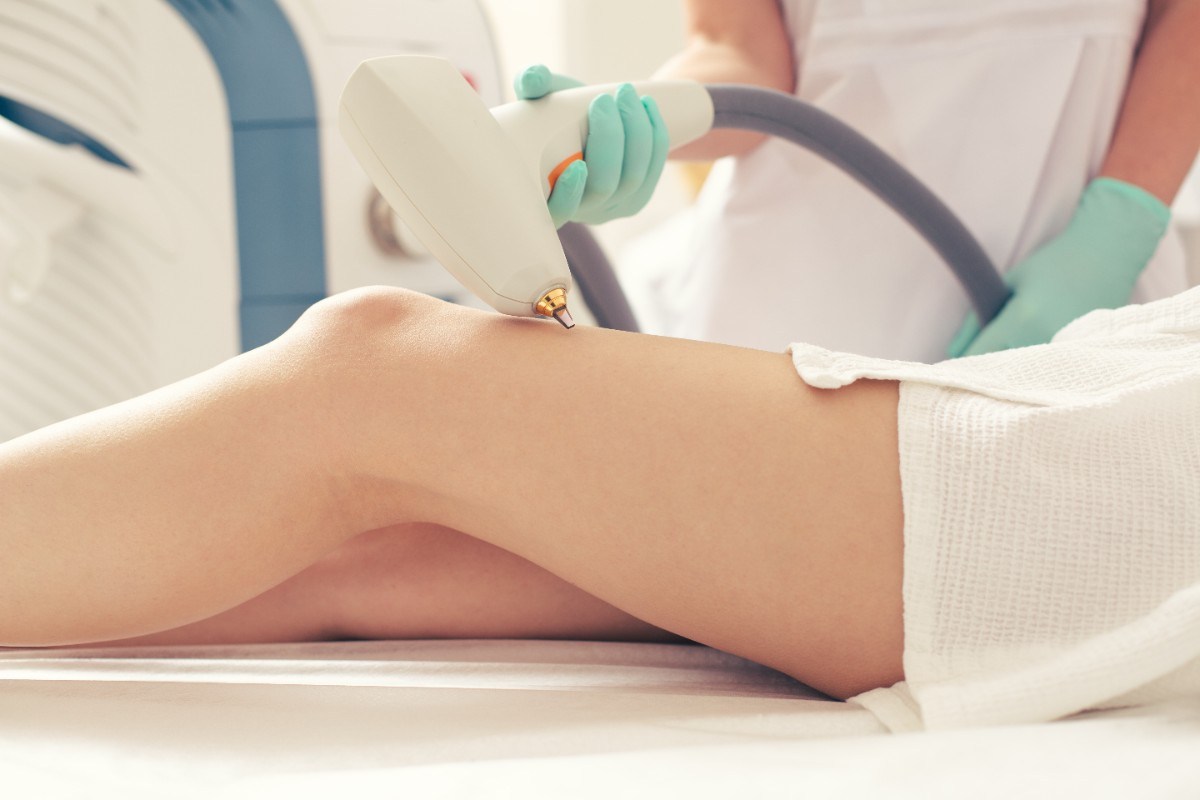
Intense pulsed light, or IPL, is a technology that delivers controlled pulses of light through a handheld device. The device is moved across the skin, and the light is absorbed by melanin in the hair shaft and follicle.
That absorbed light converts to heat, which affects the follicle and can reduce future growth. This process is called selective photothermolysis: the treatment targets pigment in the hair while aiming to protect the surrounding skin.
An IPL is an intense pulsed light device or treatment. IPL devices use a flashlamp and filters to produce pulsed light across a broad range of wavelengths.
Professional in-clinic IPL and at-home IPL devices are not the same. A trained provider can assess your skin tone, hair color, hair density, treatment area, and medical history before selecting appropriate settings. Do not assume that at-home and professional IPL results are identical.
The science in simple terms
Light targets melanin in the hair shaft and follicle.
Why multiple sessions are needed
Hair grows in cycles, and IPL works best during the active growth phase, called the anagen phase. Not every hair is in the same phase during one appointment, so a series of treatments is generally needed to treat hairs as they enter the appropriate phase.
Benefits vary by person, treatment area, and treatment plan. Common benefits include:
IPL is not painless or permanent for everyone. Results depend on your hair, skin, treatment area, and adherence to the recommended schedule.
Your provider will assess your skin tone, hair color, hair density, treatment area, and medical history. You’ll receive instructions about shaving, sun exposure, and avoiding waxing or plucking before treatment. Protective eyewear is used during the session.
A cooling gel is applied to protect the skin and support light absorption. The IPL handpiece is moved across the treatment area, delivering controlled pulses of light. Most clients describe the sensation as a warm flick or light snap.
Sessions may take about 15 to 60 minutes, depending on the treatment area.
Your skin may look or feel warm, with mild temporary redness. Follow your provider’s aftercare instructions, protect the skin from sun exposure, and avoid waxing or plucking between sessions if instructed, because these remove the hair targeted by IPL.
Results develop gradually across a treatment course. At Eyre Esthetics, most clients need 6 to 8 sessions spaced a few weeks apart to achieve optimal hair reduction.
Visible reduction may begin after several sessions, with continued improvement over time. Outcomes depend on hair color, hair thickness, skin tone, treatment area, hormones, and adherence to the treatment schedule.
Some hair may return over time, and occasional maintenance may be considered to manage regrowth.
IPL can provide long-term hair reduction, but it does not guarantee permanent hair removal. Results may last months or years for some people, but maintenance needs vary.
Factors that influence how long results last include:
Neither IPL nor laser should be described as guaranteed permanent removal. The best option depends on your skin tone, hair characteristics, treatment area, and provider assessment.
Candidacy depends on the contrast between hair pigment and skin tone, hair color, medical history, and recent sun exposure. IPL targets melanin, so results may vary for light-colored, gray, red, or very fine hair.
A consultation is especially important for people with darker skin tones, recent tanning, tattoos, sensitive skin, or certain medications. Avoid self-diagnosing candidacy based on marketing claims let a trained provider assess your skin and hair first.
Eyre Esthetics offers professional IPL hair removal in Pasadena. Our licensed estheticians tailor each session to your skin type, hair color, and goals, using cooling gel and controlled light pulses for a comfortable experience.
Book a consultation with Eyre Esthetics to discuss whether IPL hair removal is right for you and create a personalized treatment plan.
IPL hair removal is a non-invasive, light-based treatment that uses broad-spectrum light to target pigment in hair follicles and reduce future hair growth.
Intense pulsed light hair removal is another name for IPL hair removal. It uses controlled pulses of broad-spectrum light to heat and disrupt hair follicles.
An IPL is an intense pulsed light device or treatment. It uses a flashlamp and filters to deliver light across a broad wavelength range.
IPL hair reduction means a long-term decrease in hair regrowth, not guaranteed permanent removal. Some hair may return over time.
Most clients describe the sensation as a warm flick or light snap. Cooling gel is applied to protect the skin and support comfort.
Most clients need 6 to 8 sessions spaced a few weeks apart for optimal hair reduction, though your provider will personalize the plan.
IPL can provide long-term hair reduction, but it does not guarantee permanent hair removal. Some hair may return over time.
IPL can be used on certain facial areas, such as the upper lip, chin, sideburns, and jawline, but suitability depends on your skin tone, hair color, and provider assessment.
Una has always had a passion for skincare and loves helping others maintain healthy glowing skin. She has a background in healthcare and has an extensive understanding of the lymphatic system from her previous training as a certified Physical Therapist. Una received her Masters in Physical Therapy from Northwestern University. She met her husband, Dr. Steven Battaglia, at Northwestern during his ENT residency. Upon completion of the Masters Program, Una worked as a Physical Therapist in Chicago.
Fill the form below and we’ll get back to you as soon as possible!